Is emergency tarping covered by insurance?
Many policies cover reasonable emergency measures to protect property after a covered loss, such as tarping and board-up. Keep documentation and check with your insurer.
Wind · Hail · Board-up · Tarping
How emergency board-up and roof tarping stabilize a property, and how cleanup and restoration of wind, hail, and storm-water damage usually follow in Colorado Springs.
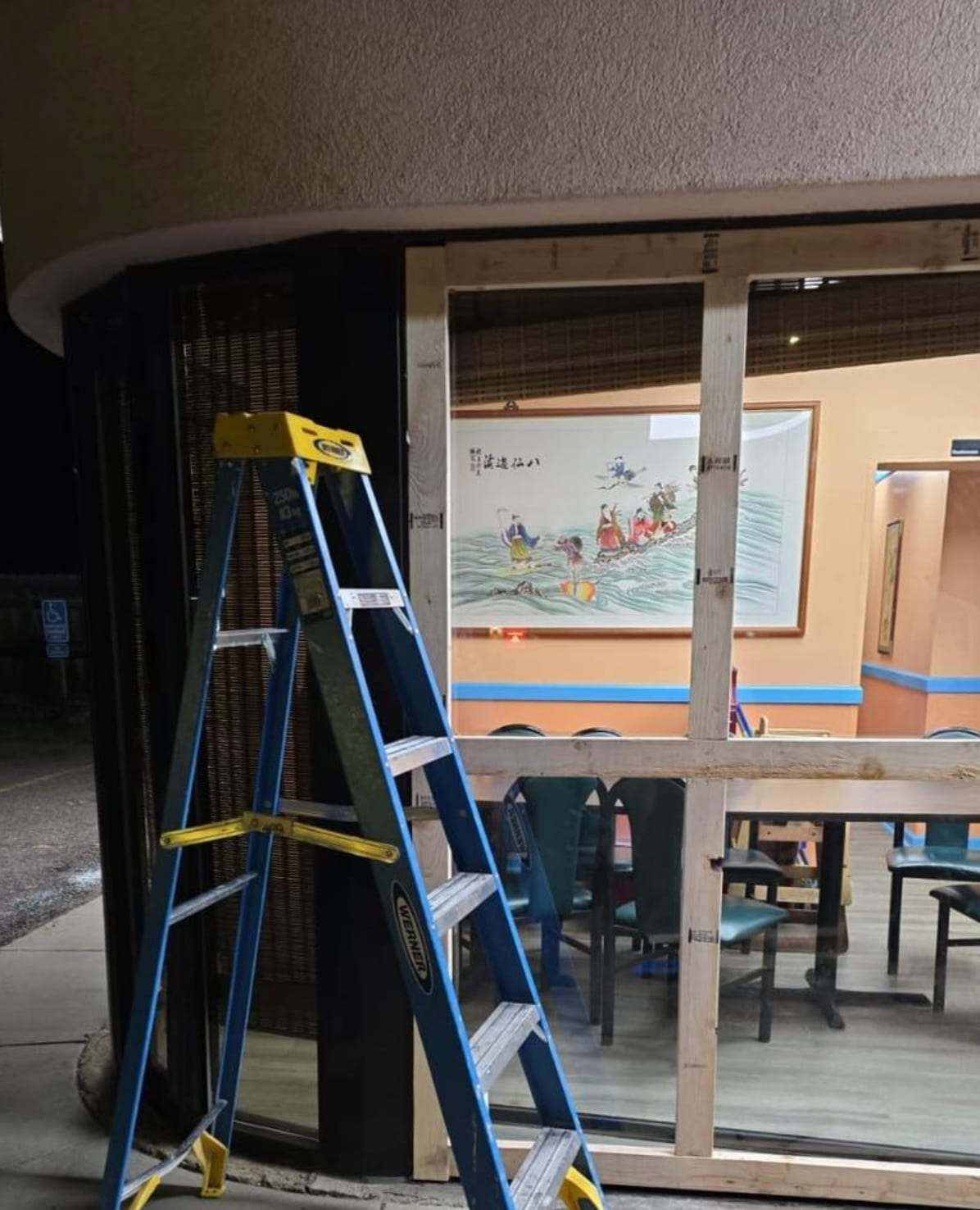
Storm damage usually starts at the building's envelope: a roof section lifted by wind, windows broken by hail or debris, siding torn away, or a tree limb through the roof. Every hour the opening stays exposed, rain and snow can get in and turn a repair into a water damage loss.
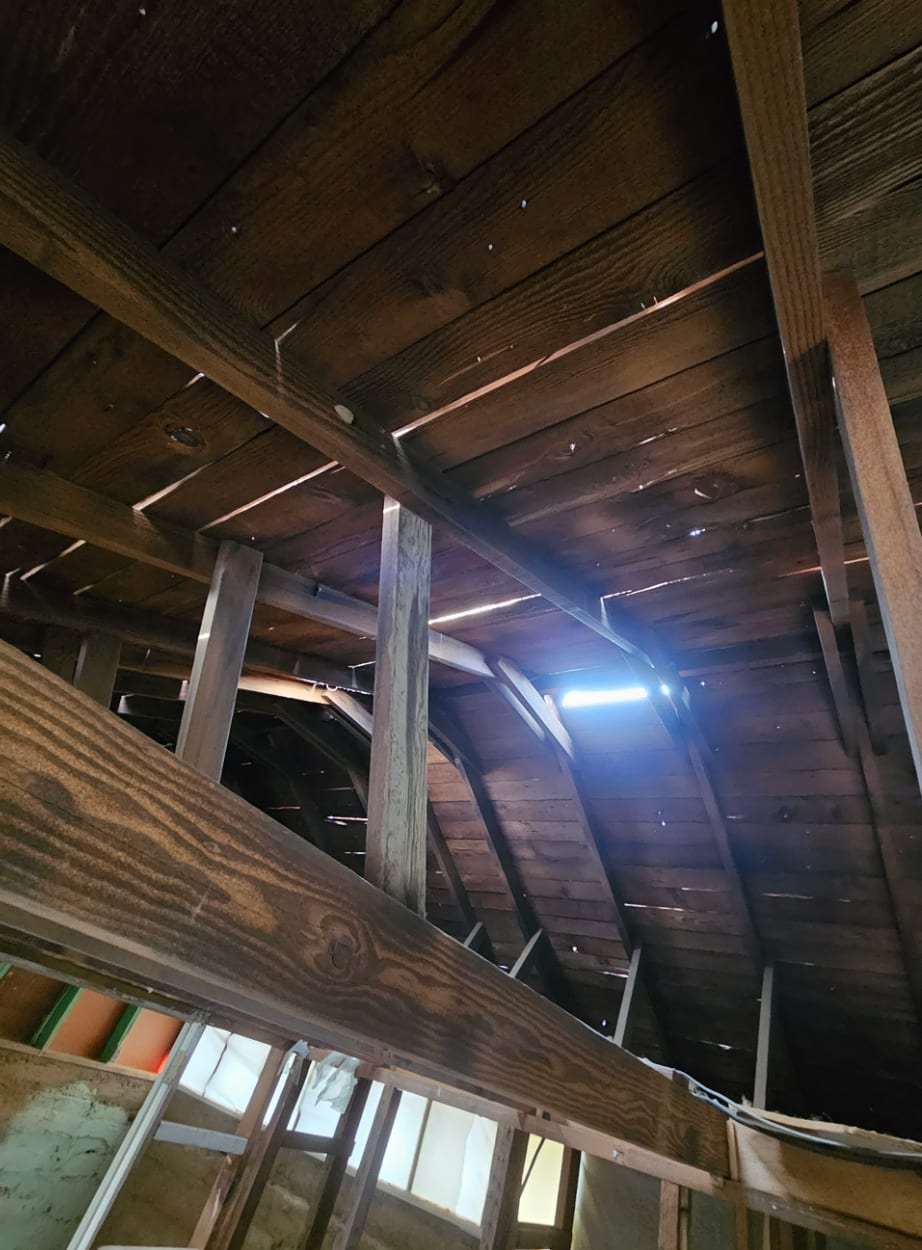
Storm cleanup begins with stabilization: tarping roofs, boarding windows and doors, and removing debris that threatens the structure. Then any water that got inside is extracted and dried, and permanent repairs follow. Some companies handle every stage; others do only part, so ask which stages a provider covers.
Before you hire anyone for tarping, board-up, or storm restoration, ask where the crew is based, how soon it can arrive, and what is covered in writing.
1
Stay clear of downed power lines and report them to the utility.
2
Don't climb onto a damaged roof. Photograph damage from the ground.
3
Place buckets and towels under interior leaks and move belongings away.
4
Call your insurer, then arrange emergency tarping and board-up with a contractor you have checked.
Stabilization limits damage and is something most insurers expect owners to arrange promptly.
| Stage | Step | What happens |
|---|---|---|
| 1 | Emergency stabilization | Roof openings are tarped, broken windows and doors are boarded, and the property is secured. |
| 2 | Debris removal | Storm debris is removed from and around the structure where it's safe to do so. |
| 3 | Interior water mitigation | Water that entered is extracted, and ceilings, insulation, walls, and floors are dried. |
| 4 | Documentation | Damage is photographed and documented for the insurance claim; ask for copies. |
| 5 | Permanent repairs | Repairs to the structure, interior, and finishes follow once the claim is settled. |
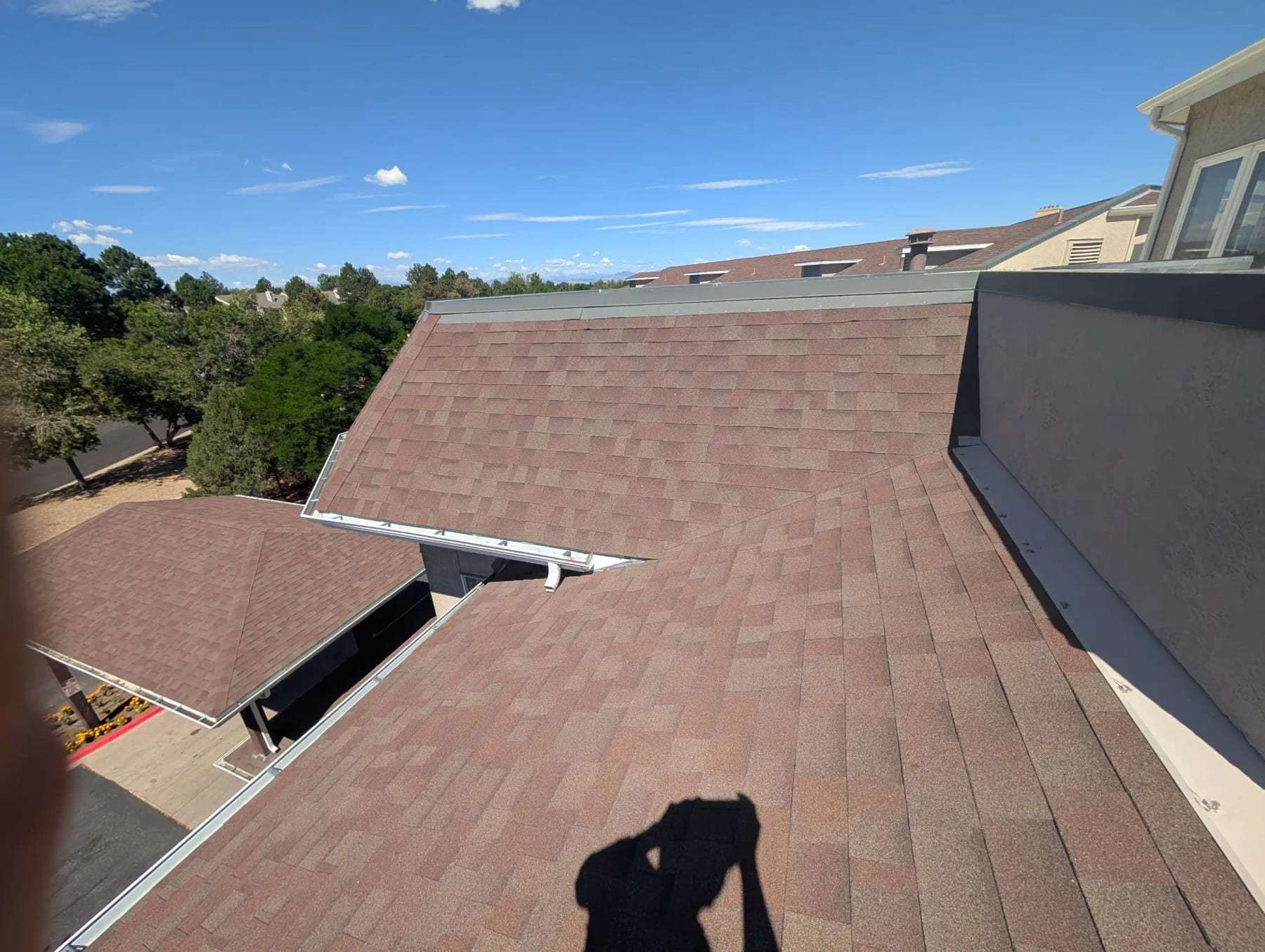
Emergency storm services usually start with roof tarping and board-up. Their job is to stop rain and snow getting in through a damaged roof, broken windows or a hole from a fallen limb, so the damage doesn't grow while the claim and repair plan are worked out.
Interior cleanup and drying start once the building is closed in. Permanent roof replacement is a separate decision. Ask whether it's in the emergency contractor's scope for your job or will go to a roofing contractor, and get it in writing either way.
Big hail events bring out-of-area contractors who canvass neighborhoods, sometimes before the storm has fully passed. Some do fine work; some take deposits and leave. A few precautions protect you no matter who you hire.
Colorado Springs sits at the foot of Pikes Peak, where weather can change quickly. Spring and summer thunderstorms bring hail, and the Front Range is one of the most hail-prone regions in the United States. In colder months, strong downslope winds can come off the mountains with damaging gusts. Heavy spring snow can also stress roofs and trees.
Some storm contractors working in El Paso County are local and some travel in from Denver or out of state after big events, so ask where a crew is based. After widespread storms, demand for tarping and board-up can spike, so reach out as early as possible.
ZIP codes served: 80903 (Colorado Springs), 80905 (Colorado Springs), 80909 (Colorado Springs), 80907 (Colorado Springs), 80910 (Colorado Springs), 80904 (Colorado Springs), 80918 (Colorado Springs), 80917 (Colorado Springs), 80915 (Colorado Springs), 80906 (Colorado Springs), 80914 (Colorado Springs), 80916 (Colorado Springs), 80919 (Colorado Springs), 80922 (Colorado Springs), 80923 (Colorado Springs), 80920 (Colorado Springs), 80951 (Colorado Springs), 80938 (Colorado Springs), 80924 (Colorado Springs), 80925 (Colorado Springs), 80927 (Colorado Springs), 80929 (Colorado Springs).
Also nearby: 80829, 80911, 80939, 80809, 80902, 80913, 80840, 80819, 80926, 80921, 80908, 80831.
Strong winter winds strip a section of shingles and underlayment, and melting snow leaks into an upstairs bedroom.
A summer hailstorm breaks two skylights, and rain soaks the living room floor before the storm passes.
A large limb falls during a storm and punctures the roof and ceiling, and the opening needs to be tarped tonight.
Explainers and planning tools for the first days after hail, wind or a fallen tree.
Many policies cover reasonable emergency measures to protect property after a covered loss, such as tarping and board-up. Keep documentation and check with your insurer.
A properly installed tarp is a temporary measure, typically meant to last until permanent repairs, often weeks to a few months depending on weather and installation.
After significant hail, an inspection is worthwhile even if you don't see leaks. Hail damage to shingles can shorten roof life and isn't always visible from the ground.
Wet insulation should be evaluated. Loose-fill and batt insulation that's saturated is often removed and replaced so the attic can dry and mold doesn't develop.
Verify licenses with the Pikes Peak Regional Building Department, ask for references, avoid large upfront payments, and don't sign anything that assigns your insurance benefits without understanding it.
Often. Commercial and large-loss jobs need more equipment and coordination with tenants and operations. Ask whether a provider takes on commercial work of your size.
No. A tarp is temporary protection to keep water out until permanent repairs are scoped and approved. Most policies expect you to take reasonable steps like tarping to prevent further damage. Ask whoever tarps the roof whether permanent roof repair is part of their scope or will go to a roofing contractor.
This form is not connected. This website is a draft preview: no business has been confirmed to receive requests, so the fields below are switched off and nothing can be sent. In an emergency, call 911.
Stay clear of downed lines, photograph the damage from the ground, call your insurer, and choose a contractor you have checked to tarp and secure the property. Call 911 for immediate danger.